
 Image 1 of 1
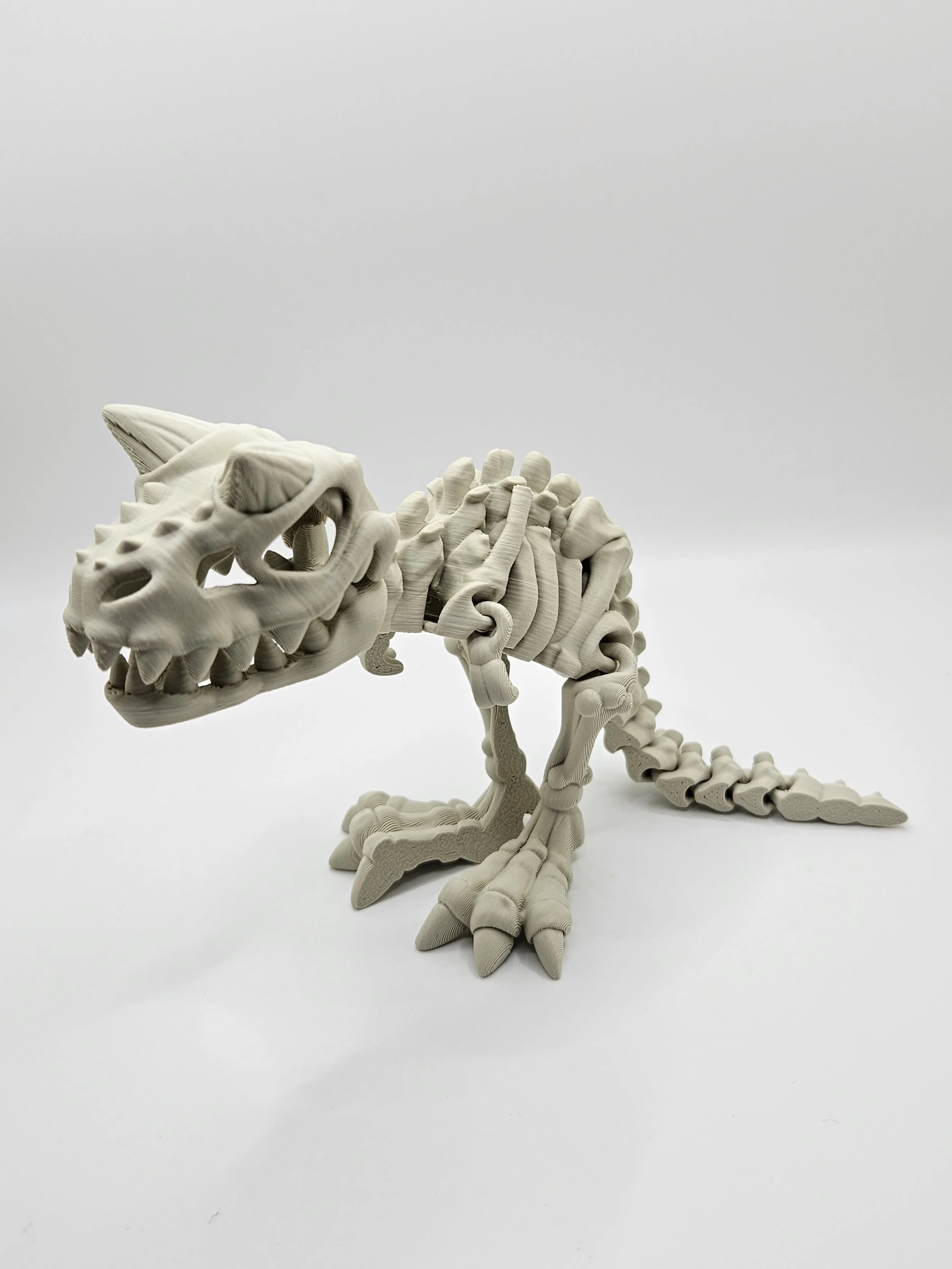
A replica Carnotaurus skeleton brings a burst of prehistoric excitement to any display, letting kids and adults step straight into the world of Late Cretaceous predators. Its articulated limbs and distinctive horned skull make it easy to pose, examine, and admire, turning the model into both a dynamic centerpiece and an engaging learning tool. The hands‑on experience of adjusting each joint sparks curiosity, imagination, and tactile exploration for anyone fascinated by fearsome land‑dwelling dinosaurs.
Carnotaurus, discovered in Argentina in 1984, was a fast‑moving theropod known for its short, deep skull, forward‑facing horns, and remarkably slender, muscular build. Living roughly 70 million years ago, it likely relied on speed and agility to chase down prey across open plains. Its unique anatomy — from tiny vestigial arms to long, powerful legs — has made Carnotaurus one of the most distinctive dinosaurs ever found, capturing the interest of paleontologists and dino‑fans alike.
A replica Carnotaurus skeleton brings a burst of prehistoric excitement to any display, letting kids and adults step straight into the world of Late Cretaceous predators. Its articulated limbs and distinctive horned skull make it easy to pose, examine, and admire, turning the model into both a dynamic centerpiece and an engaging learning tool. The hands‑on experience of adjusting each joint sparks curiosity, imagination, and tactile exploration for anyone fascinated by fearsome land‑dwelling dinosaurs.
Carnotaurus, discovered in Argentina in 1984, was a fast‑moving theropod known for its short, deep skull, forward‑facing horns, and remarkably slender, muscular build. Living roughly 70 million years ago, it likely relied on speed and agility to chase down prey across open plains. Its unique anatomy — from tiny vestigial arms to long, powerful legs — has made Carnotaurus one of the most distinctive dinosaurs ever found, capturing the interest of paleontologists and dino‑fans alike.